The SÉLIN Journal Technology
Digital Smile Design Explained: See Your New Smile Before Treatment
How photos, video and 3D scans let you preview — and approve — your smile before anything is done.
The short answer
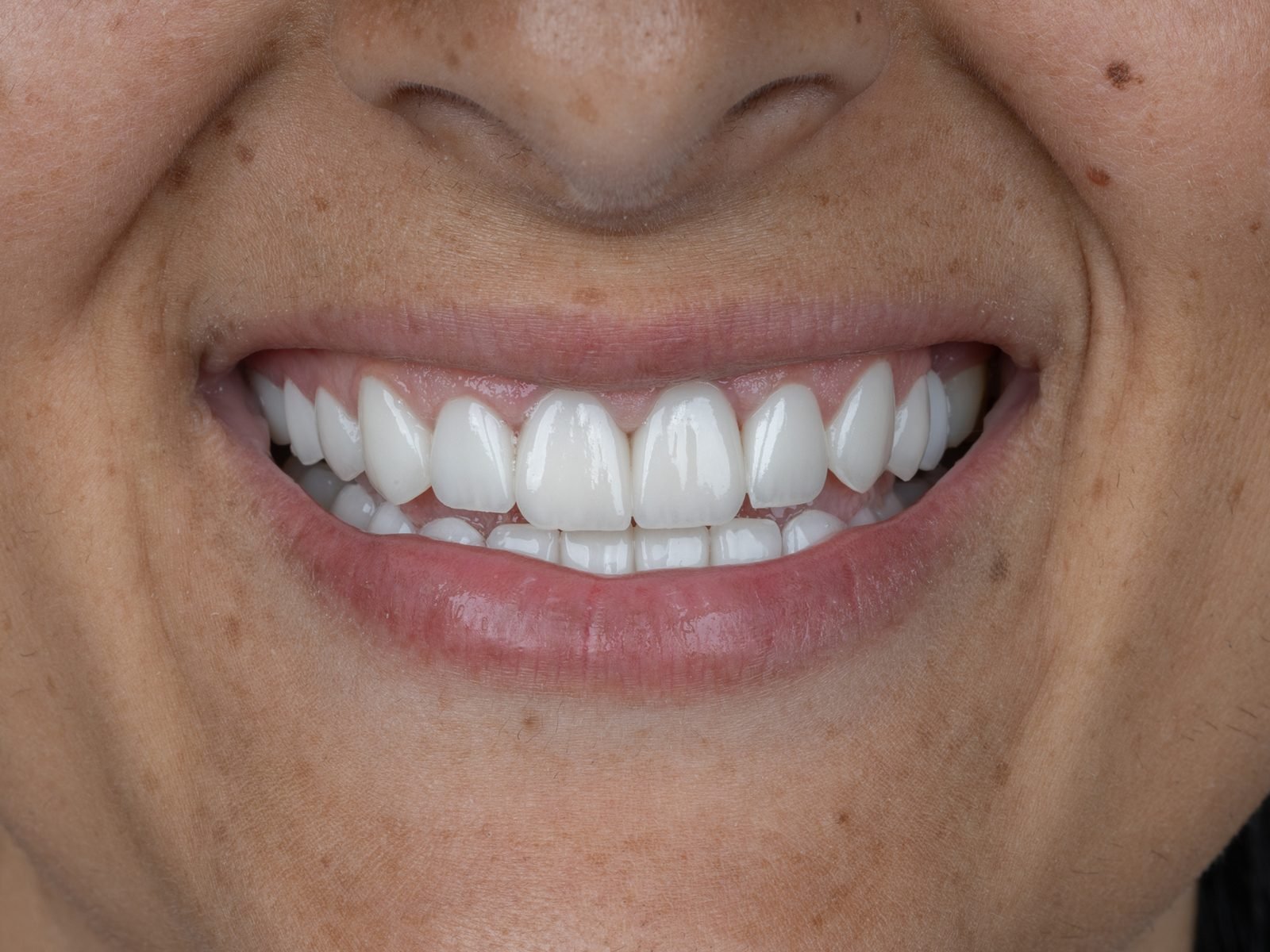
Digital Smile Design (DSD) is a planning method that uses facial photos, video and 3D intraoral scans to design your ideal smile on screen before treatment. The design is then transferred to a trial mock-up you can wear, so you can see and approve the result in your own face. It makes veneers, aligners, crowns and whitening more predictable and personal.
Why design the smile around the face?
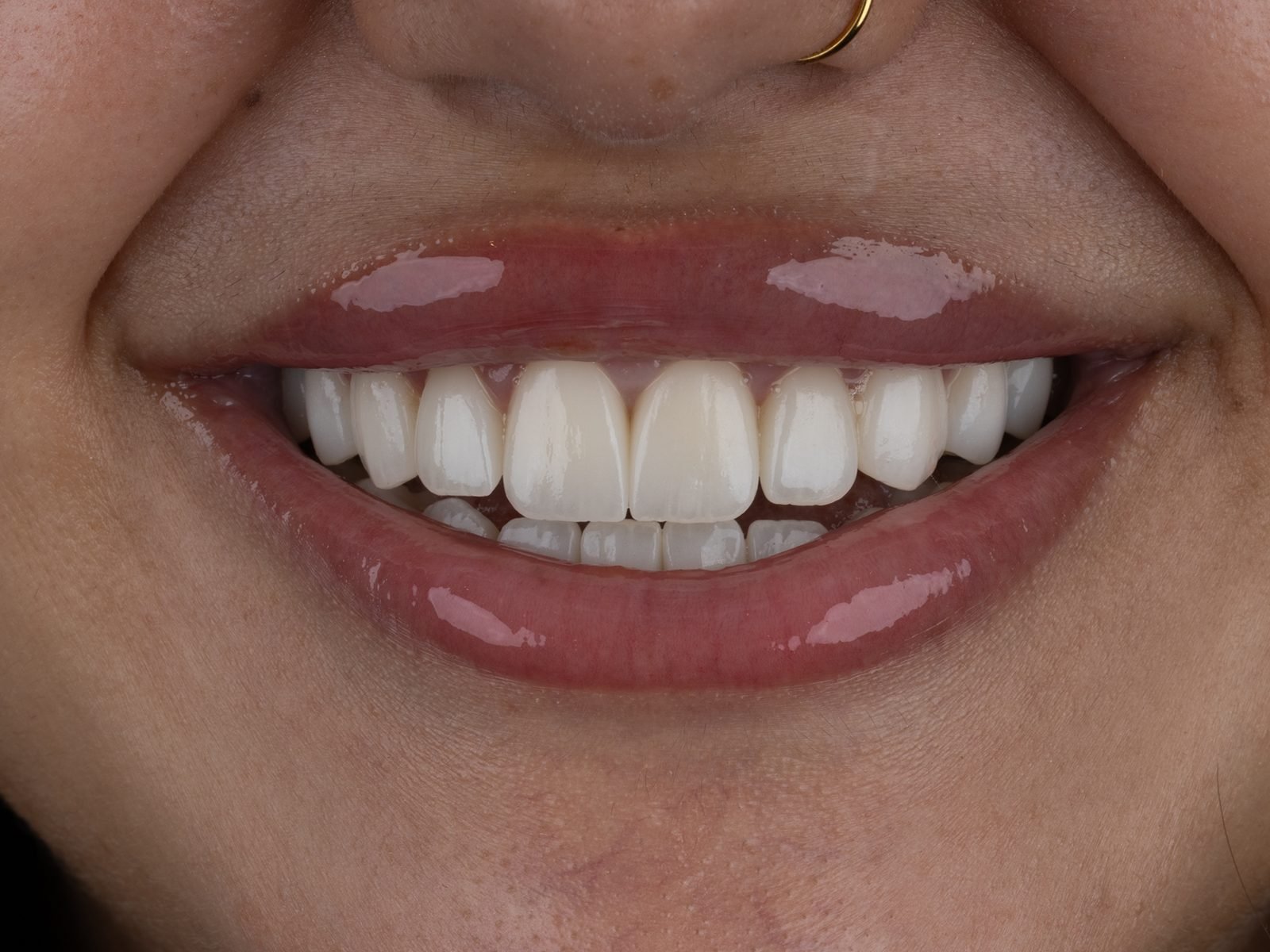
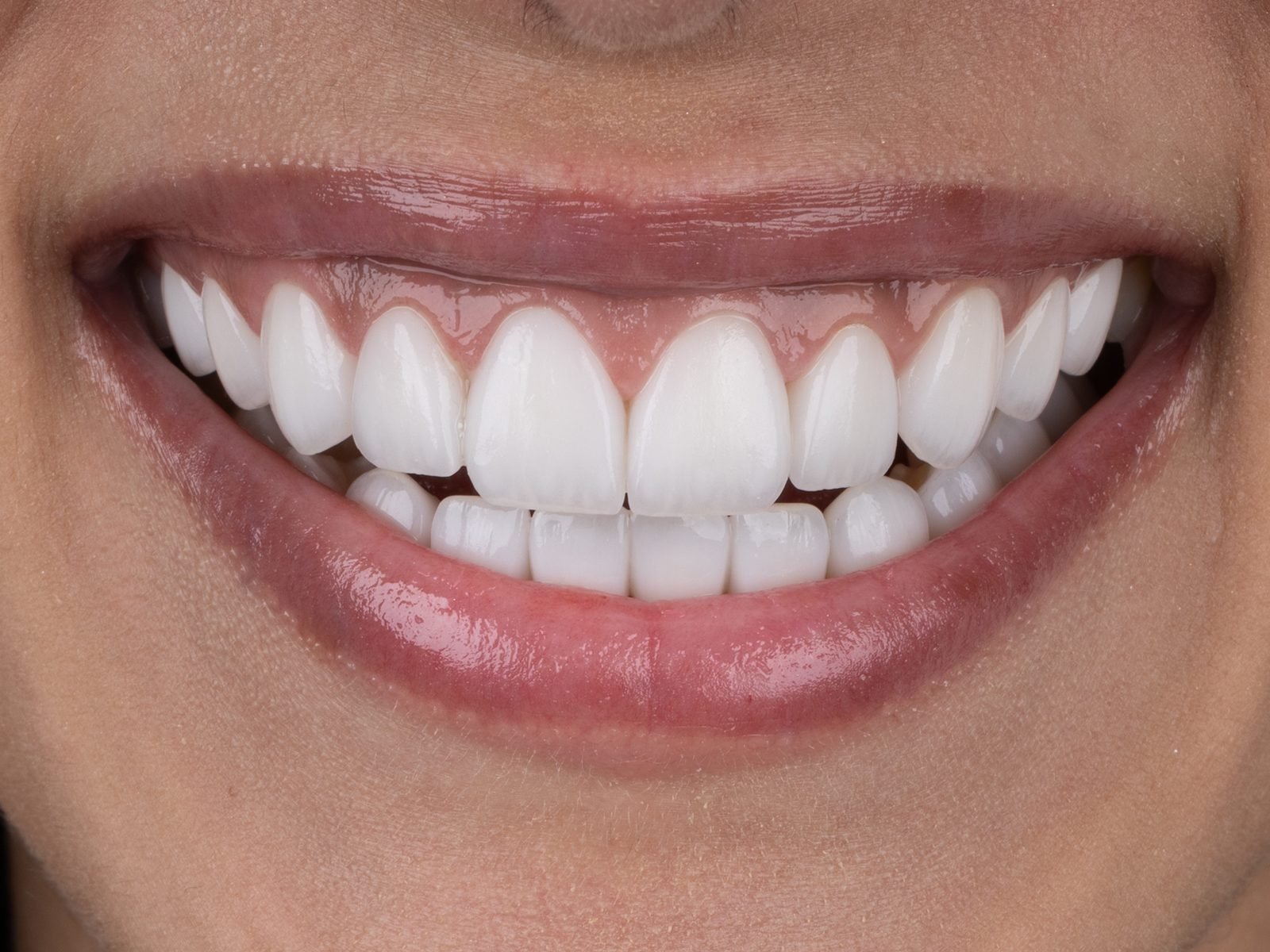
A beautiful smile is not a set of perfect white rectangles. It is proportion: how the teeth relate to your lips, your facial midline, your gum line and the way you speak and laugh. Designing from the face outward is what separates a natural result from an obviously “done” one.
The four steps of DSD at SÉLIN
- Records: facial photography, a short smile video and a 3D intraoral scan.
- Analysis: lip line, midline, tooth proportions and gum levels.
- Design: your new smile is drawn digitally and refined with you.
- Mock-up: a temporary trial smile you can see in the mirror.
What you gain
Confidence before commitment. You see the shape, length and character of your new teeth before treatment, you can ask for changes, and the final restorations are made to match the approved design.
Key takeaways
- DSD designs your smile from your facial features.
- You can try the design as a mock-up before treatment.
- It makes results more predictable and personal.
Frequently asked
Is Digital Smile Design a treatment?
It is a planning step. The design guides the actual treatment, such as veneers, aligners, crowns or whitening.
Does the mock-up hurt?
No. A mock-up is a temporary material placed over your teeth without drilling and removed afterwards.
This article is for general information and does not replace a personal consultation. Every smile is different.